Tomorrow is Diwali. A festival celebrated by Hindus around the world. And where I come from, a festival celebrated by the country.
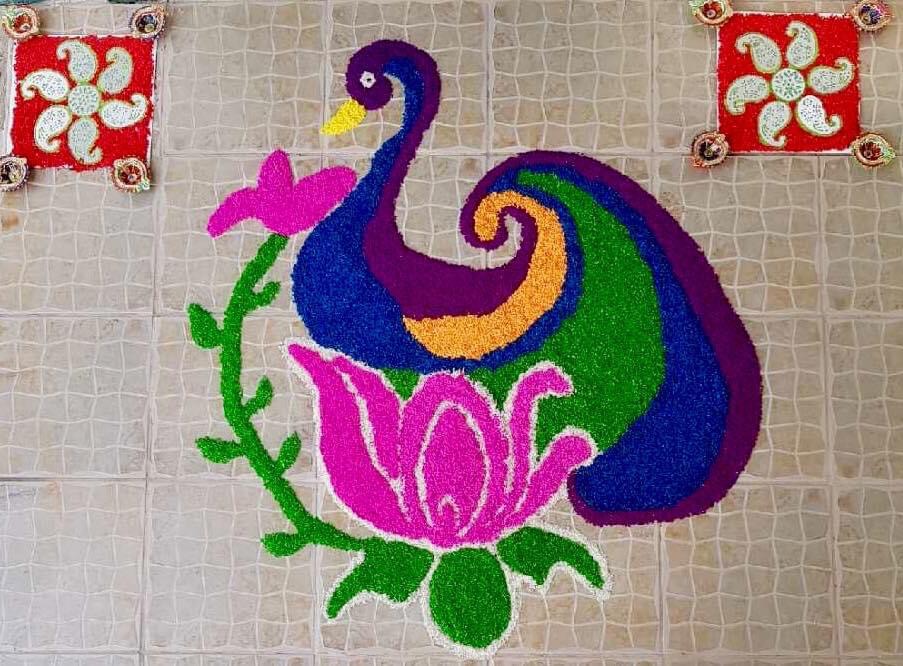
Rangoli – Indian art common during Diwali: Credit – Sweetika Kumar
I look back over the years with nostalgia. Even though my husband and I do not celebrate Diwali as a religious festival, I miss celebrating it with our Hindu friends this year. In Auckland, we are still in lockdown, so the usual getting together at friends’ homes for a Diwali celebration is not an option.
But I doubt even Covid and lockdowns can overshadow the brightness this day brings.
What I love about Diwali
Diwali is, for me, like Christmas but without the booze and meat, full of fireworks, joy and laughter. And a time for family and friends. A time also for reflection over the year gone by. And as is usual with Christmas, it is a time for over-eating. And eating more, even when you are full. I love Diwali. It is one of my favourite festive seasons.
What is there not to love? The sweets, oh how I love them. And the food. The sitting down with hosts and their family and friends and sharing stories, while stuffing my face. Children and adults alike playing with firecrackers. Me, who once got burnt by a firecracker, sticking with the safety of sparklers.
I love dressing up in traditional Indian attire. This is the one day in the year I get to wear the sari unless there’s a wedding of course!
The lighting of diyas and candles is an amazing experience, especially when you get to do it with the kids. I love watching fairy lights as they flicker on the houses and compounds of those who celebrate the festival. The smell of firecracker smoke, combined with the beautiful scents from the diyas.
And a dark night lit up not just by lights but also by the glowing hearts of the hosts.
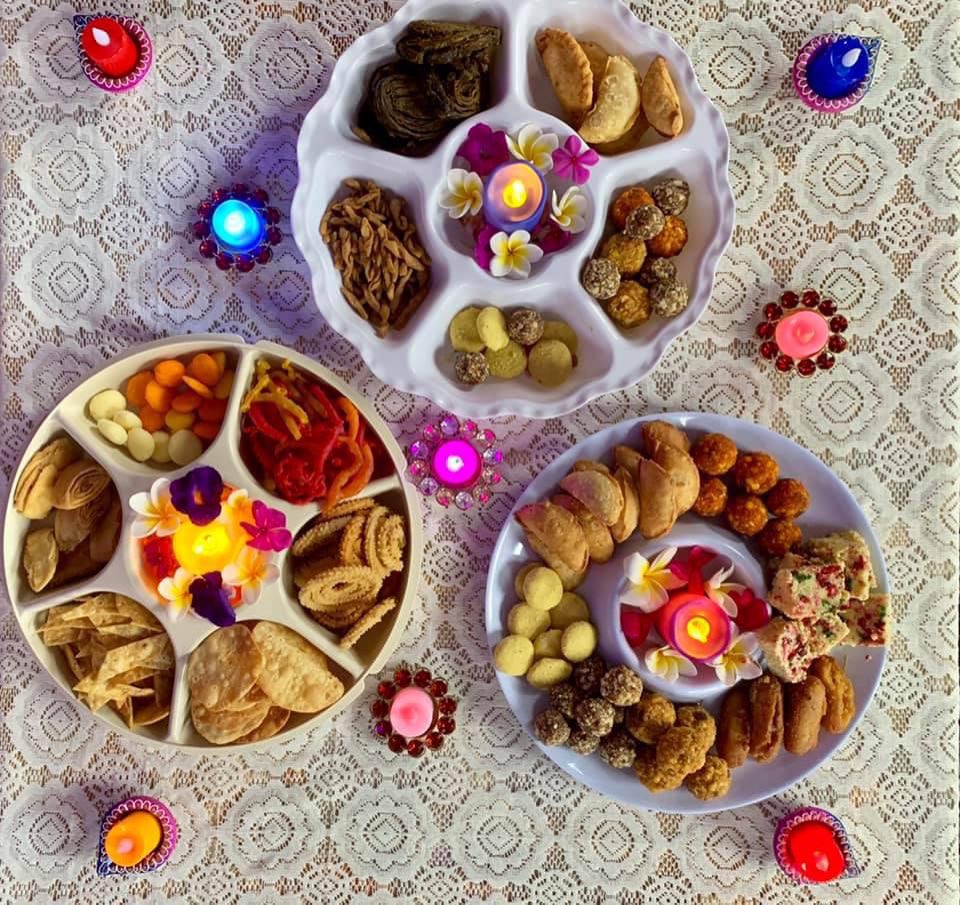
Diwali sweets: Credit – Sweetika Kumar
Triumph of good over evil
It is a day that I look forward to each year. Maybe this is so because, in Fiji, this is one of the biggest festivals. Diwali and its festivities are ingrained in me.
I remember our Hindu neighbours bringing us plates of sweets to share their joy. And despite firecrackers going off, me sleeping undisturbed.
Diwali is a day symbolic of the fight between good and evil, where good triumphs. I am not so well versed in the religious aspects to say much more. I am sure my Hindu friends will fill in the gaps with their comments.
But I must say, especially during these times, that I hope this day brings light to whatever darkness we may find ourselves in. I hope the good in our hearts, minds, homes, and communities triumphs over all the evils out there.
A very happy and wonderful Diwali to all my friends. And to Aucklanders celebrating Diwali – lockdown is only a temporary hurdle. The good always comes out winning.
I had a hysterectomy 4 months ago. My post-op experiences were quite interesting. I had some expectations of recovery which were unreal. But I made it through and thought to share how I feel now, 4 months on.
First, I must remind you, my dear reader, of why I had a hysterectomy. It was due to stage 4 endometriosis – read my story here. Not a life-threatening illness, but one that caused considerable pain and consequent low quality of life. Today, as I write this post, I reflect on what my life was like, living with endo. And how life has changed since the hysterectomy.
Period anticipation
The period pads and tampons are gone for good. With endo, I was using constantly using these products. I could never work out when the next bleeding episode would begin. Apart from periods, there was off-period bleeding. And after enough embarrassing episodes, a stash was always in my handbag.
However, the issue runs deeper than the issue of period protection. Psychologically, I am different. I still ovulate and go through pre-period symptoms of hot flashes, water retention, etc. These remind me that a period is near, but now the period does not come. And with each passing month, I feel relief.
Because along with the other symptoms of an oncoming period, I would experience pain. Three weeks out of four per month I would be in pain. I would bleed for three weeks. Liberation and relief have replaced feelings of anxiety and dread. I know now that a period is near not by the pain I feel but by my weight on the scales and tossing and turning at night due to the hot flashes.
Being around children
That said, I am now struggling with being around children. My surgeon had warned me about some hormonal and emotional changes. With the caveat that it is different for every woman. In my life, I have at least eight youngsters who are still close to my heart. I have found that whenever I am with them, whether physically or communicating on the phone, I feel detached.
Before the hysterectomy, I could not wait to spend time with these little ones (and I mean children below the age of 12). Frankly, now, they irritate me. A friend of mine suggested that I may be experiencing the reverse of post-natal depression. Perhaps…
The guilt about the way I feel about these little ones is worse. Rationalising my emotions is an exercise in futility. And it is hard to tell people, especially the doting parents that “Hey, can you please keep your kid out of my face?”. I should not be feeling this way, but I do. Will these emotions go away? I don’t know but I am willing to ride out this wave.
Pills
Pre-hysterectomy, I was on high dose pain killers. Every day. Without the painkillers, I could not function. And there were many days when I left the house in a rush, only to get to work and be in extreme pain. And then make my way home again, or put up with the pain and be uncomfortable and unproductive all day.
Generally, I do not like taking pills. Even for times of depression and anxiety, which have been many, I have preferred to be pill-free. Having the surgery has enabled me to live without pills.
Body image
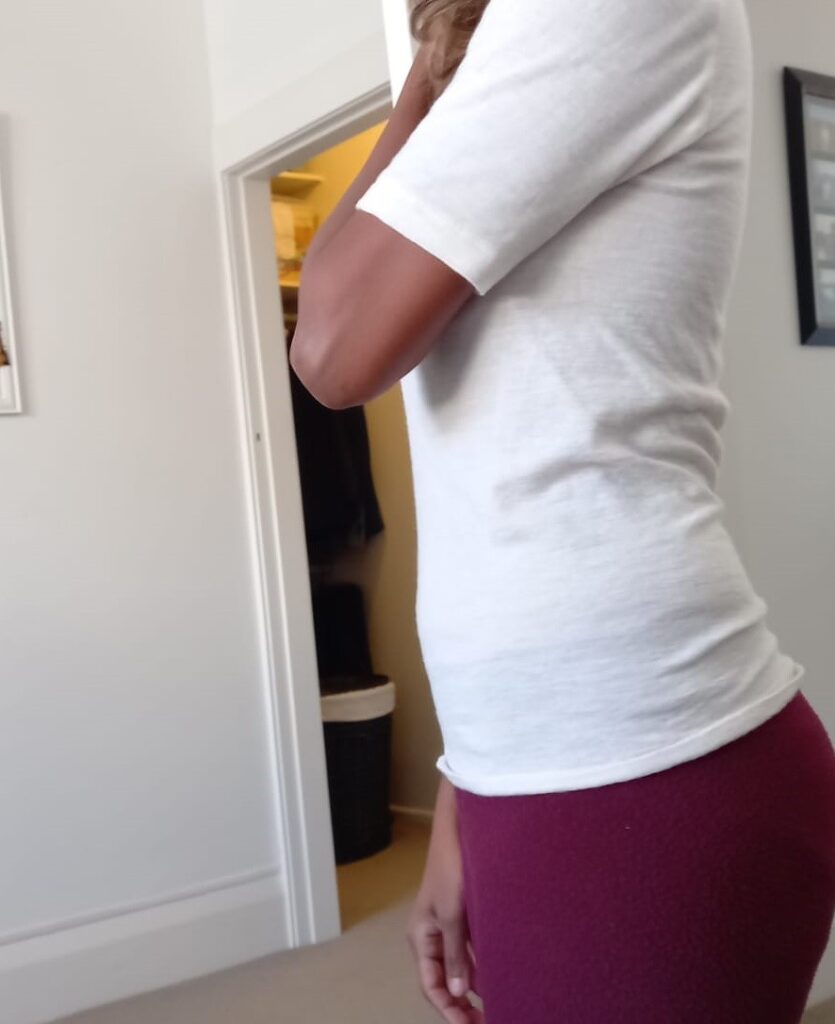
With the constant bloating and never-ending bleeding that came with endo, I became more and more conscious about how I looked. Those who know me will laugh when I say that I was so afraid of looking obese. To have a belly that looks like I’m pregnant, every day, for over two years really took its toll on me. Sure, there would be days when I had my flat stomach and I felt confident. But most days, I would hide behind baggy clothes.
It was not weight gain or obesity. It was plain and simple bloating. Consequently, I would spend a lot of time exercising, which is not a bad thing in any sense. But I became obsessed. If I went without a day of HIIT workouts, I would feel guilty and ashamed. Workouts kept the bloating at bay, most of the time. And sometimes, working out helped ease the pain a little.
In addition to working out like mad, I used to manage my diet. After a year of not knowing what was wrong with me (before getting diagnosed), I had found a natural way to reduce the bloating.
I started a food diary and noted down everything I ate, and watched how my body reacted to what I ate. Within months I concluded that my body was reacting badly to high carb meals, particularly sugar, flour, rice, potatoes. At the same time, my hubby was trying to lose weight and he was experimenting with the keto diet. Because there is just the two of us at home and I was supportive of his diet, I started cooking keto meals and I found that my body was reacting well to the diet.
And so began a year-long affair with low carb meals. It was hard to explain to friends at first, especially when I had no clue what my ailment was. But later on, after the endo diagnosis, it all made sense. Endo feeds off estrogen, and estrogen and insulin levels have a complicated relationship. I tend to listen to my body, and I felt that my body was telling me to stay off the carbs.
Keto meals became the norm, low carb cereals, breads, cakes were homemade. Dining at friends’ homes was uncomfortable. Functions at work always left me hungry. Dining out was something to be prepared for through excessive amounts of painkillers beforehand.
Post hysterectomy, I must say, some of the dietary changes have stuck with me. But I LOVE the fact that I can eat chips, a piece of cake, paella, without feeling sick with worry and anxiety about how my body will react, and the pain I knew I had to endure for ‘guilty’ food pleasure.
Struggle with body weight
If you read my story on endo diagnosis, you would know that losing weight a decade ago was a big deal for me. In hindsight, I think this was down to the onset of endo at the time.
Over the last two years, the keto diet combined with pretty hectic workouts very reluctantly shifted my body weight. I am not obese, with a weight of 49kg for a relatively skinny frame. Endo made it harder to lose weight, and there were times when I felt very uncomfortable in my own skin. The bloating did not help by the way. Now I know that the hormone imbalances associated with endo made it harder for me to lose any weight.
Four months on, I am at my ideal weight of 49kg, and I am on weight maintenance plans. That said, I noticed that it is easier to lose weight now. My weight shifted down two kilos during an emotionally draining episode recently. With no extra workouts or diets.
Was a hysterectomy worth it?
The benefits of having a hysterectomy to deal with endo are truly massive. Hysterectomy does not cure endo by the way. There are chances, albeit slim with the type of hysterectomy I had, for endo to re-surface.
I believe I will get over the children-phobia in time. And if I don’t, well, it is a small price to pay. The children will keep getting older and I am not averse to teenagers. The emotional, psychological and physiological me is better than who I was two years ago. This is said bearing in mind that I experienced very few symptoms of endo until it was too late, i.e., it had got to stage 4. Others may experience longer periods of what I went through. Consequently, their relief and feelings of liberation would be greater.
Would I not have the hysterectomy in hindsight? No. I would have it again and again.
My quality of life is far better now. The feeling of liberation and anxiety-free days, not worrying about period leaks or periods, not worrying about dressing to hide bloating and period leaks, the fear before periods, a life of chronic pain.
The ability to eat things and not worry about the side effects. My bodyweight not stuck with hormone imbalances. Being free from pain and bleeding.
These changes in my life have been for the better.
Last year October (2020) I remember having a discussion with work colleagues about how surreal it was that the rest of the world was battling Covid and here in NZ we were living in freedom. It seemed like we were on a different planet. And I think we were.
Credit does deserve to be given to the government of the day for managing Covid in early 2020 and achieving elimination. Everyone will agree that elimination was necessary so that as a country we could prepare ourselves for the pandemic.
But that’s where elimination should have ended.
It was a strategy that gave us time and space to think long-term and be prepared for the inevitable – that Covid was here to stay. It gave us time to have a proper roadmap. To look at what was happening in other countries and learn from their mistakes. Use these learnings and prepare the whole nation for vaccinations and learning to live with Covid.
Pull resources together and prepare for more ICU beds and specially trained medical personnel. Take Covid plus variants head-on. Something the rest of the world was not able to do. And achieve gold standard this way.
Personally, after the second lockdown in 2020, my view quickly turned to that – Covid was not going to get eliminated in the world, let alone in NZ. And to continue burying our heads in the sand and living in our freedoms were, while enjoyable, very short-term outlooks.
Covid was always lurking around the corner.
What was required back in October 2020 was not a focus on how well we have done with managing Covid but a focus on how well we can do with Covid in the future. We all however tend to live in the present.
While we were busy with ourselves, the rest of the world was getting on with Covid. They dealt with deaths, they dealt with overwhelmed hospital systems. Even dealt with being called morons by us. But, well, here we are. We wasted away precious time.
Some will say that we were ready for long-term Covid. I argue not. Elimination created a false sense of security, for which we are now paying the price. Here’s why.
Delta was creating chaos around the world, and so close to home – Fiji, April 2020. This was when we had also bubbled with Australia, where Delta had already arrived. Elimination taught us all – leaders and followers- to become complacent.
On one busy Saturday afternoon, the ferry captain announced that masks were mandatory for all passengers, but over 50% were onboard without a mask. When my husband kicked up a fuss with the ferry staff, he was told that the transport operators were not allowed to refuse mask-less passengers onboard. And it seemed like very little people cared that they had no masks on. Complacent? Or simply did not care.
This was the reality for most Kiwis. Why contact trace, why wear masks, when we have no Covid to deal with?
“The reactive space in which the response has so far existed has meant that these governance structures have remained at the “tactical” or “issues-management” level, rather than being able to set strategic or future-focussed agendas for the response.” Page 12
“Interviewees acknowledged, however, that the system has been largely in reactive mode. We heard there is a real desire to shift to a more strategic and longer-term way of thinking and operating; to get ahead of issues rather than constantly reacting to events as they emerge…Across our interviews, there was an emerging consensus that COVID-19 will be the dominant challenge facing New Zealand (and the world) for at least the next 18-24 months.” Page 11
This report is dated October 2020. A year ago. The reviewers clearly stated that Covid was a challenge for the next two years. Yet sadly, we are making up things as we go in this outbreak. Why think of a future with Covid in it, when it has been eliminated?
Vaccination
Some blame Pfizer for delaying the vaccine delivery. I have no facts here. To date, the vaccine procurement process and contract details have not been made public. We have no factual data, either way, to substantiate any claims because sadly, there is no transparency on this issue.
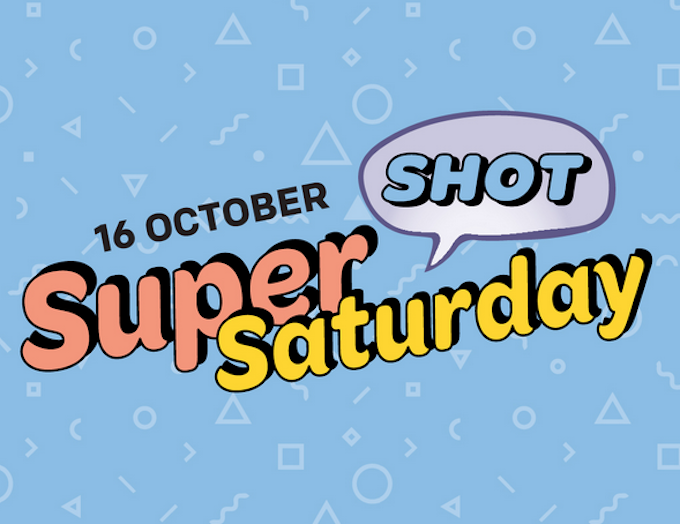
However, a government media release in January 2021 claimed that our vaccination programme will be the “biggest ever” – https://covid19.govt.nz/alert-levels-and-updates/latest-updates/covid-19-vaccine-slated-for-possible-approval-next-week/ It also stated that “We hope [emphasis added – they did not say plan] to start vaccinating the wider population mid-year.” Delta arrived in August 2021. At that point, or even before that point, there was no “Super Saturday”, no free sausage sizzles, no seats in business class, etc. to get people vaxxed.
We did well with Super Saturday. It was a great idea. But this type of hype to get vaccinated, when we had time on our side, could have started from January 2021? By now, 10 months in the making, we would be at the desired goal of 90% vaxxed. And our much-coveted gold standard.
But, we are again chasing our tails. With Aucklanders paying the brutal price of a complacent, reactive, irresponsible government. The hype started only when Delta arrived. Why? Elimination. Because we had no Covid. There was no rush to vaccinate the masses.
At a time when the government had a real leadership role to play, it chose the path of self-adulation. It wanted to prove to the rest of the world that they were better than the rest. Elimination and a Covid free NZ were messages the government held on to for 18 months. While other governments were working hard to promote vaccination.
It is irresponsible to expect the nation to change its mind as quickly as the government has (abandoned elimination in a day)? Change does not happen overnight.
I have heard about people in the country who still think they can remain unvaccinated because they have lived without Covid since May 2020. Elimination created this false sense of security.
To date, not one government personnel has admitted that they were lax in preparing for Delta. Not one person has said sorry to Aucklanders, for not moving MIQ facilities out of this city.
Rather, the arrogance carries on. Another milestone for NZ to achieve – be the world leader by being the most vaxxed. What does being a world leader mean to an Aucklander who gets out of level 2.75 into a vague traffic light system?
We are now paying the heavy price for putting all our eggs in the Elimination basket. It worked well, yes, but only for the short term. Even in the face of Delta in August 2021, we brought out our Elimination basket. While the rest of the world was and is looking ahead, to endemicity.
Now would be a good time to prepare the nation for what lies ahead, in the longer term. But, we are messing around with alert levels and traffic light systems. Again, very short-sighted. How very responsible!
PS: One may say that this virus caught the world by surprise, and our government was dealing with it in a reactionary manner, like the rest of the world. I beg to differ on the simple point that, yes, we had no blueprint, but we had the benefit of time, and our geographic isolation.
We were living in freedoms that were not available for the rest of the world for most of last year and early 2021. During this time, we could have used the available science, data from the rest of the world, their experiences, etc. to prepare for the inevitable. I do agree that last year we did well. But we lost focus. And sadly, we are none the wiser still.
One might also argue that all this commentary is beneficial in hindsight. I argue that last year, in August 2020, I was one of the few people who was calling Elimination out, who was calling out the lack of long-term thinking. And I am an ordinary individual. I am not a civil servant. If I have the capability to think ahead, why are our government ministers exempt from this ability? Do we not vote them into power to do such thinking for us?
They have the resources to do long-term forecasts, to get the best in the country to do this type of work for them, they have the resources to tap into WHO and other scientific data, to talk to other world leaders and analyse what has worked and what has not over the last 18 months. The fact that they did not make use of these resources does not make me a bad person for calling it out.